







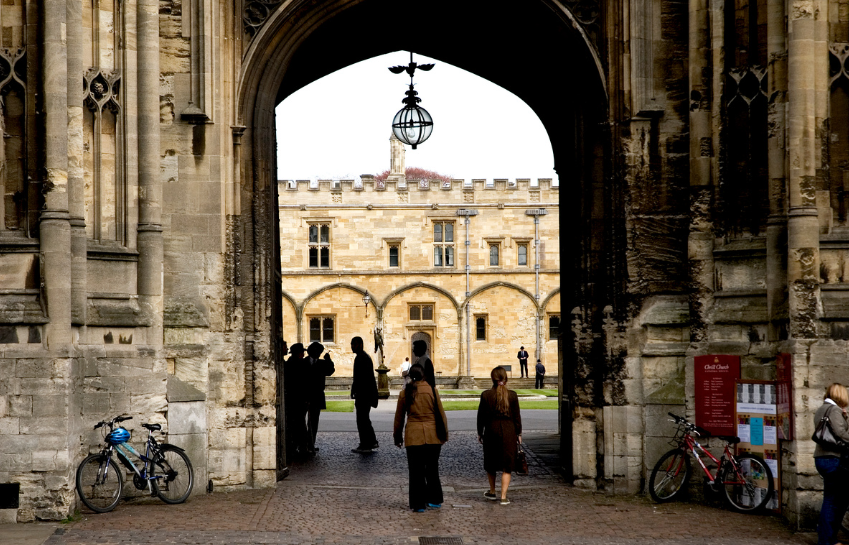
At UntoldNow, we explore ideas that matter — in this post, we take a look on the UK’s bold move to establish nine campuses in India. The UK Prime Minister, Keir Starmer, on an official visit to Mumbai, in October 2025, announced that nine British universities were to open campuses in India. This step is a fast tracked stage of educational collaboration between both countries and it points at the increasing prominence of India as a higher education center.

Contents
1- What’s Going On
As per the system of recent reforms in the higher education industry in India, particularly, the National Education Policy (NEP) 2020 and the regulations of the University Grants Commission (UGC) on the entry of the foreign universities to India, foreign institutions can now create full-fledged branch campuses.
University of Southampton already operationalised its campus in Gurugram making it the first UK university to establish a complete foreign campus on such new norms.
Some of the future competitors include well-known UK colleges such as the University of Liverpool, University of Aberdeen, University of Surrey among others. It is predicted that these campuses will start operating in the next few years, and the programs will include courses in high-need fields like computing, engineering, business management, AI, cybersecurity, economics, and finance.

2-Why This Matters
Greater Access and Affordability
Indian students will receive a chance to study degrees of the UK standard without moving to the country. This is able to save a lot of money and minimize the obstacles like visa, travel, and accommodation costs.
Enhance the Quality and International Standards.
International campuses usually carry in with them the good culture of research work, expert faculty, international relations and international exposure. These will probably improve the standard of education and empower the higher education system in India.
Such reforms as NEP 2020 and the UGC regulations of 2023 have played a crucial role as facilitators. The regulatory environment has been relaxed so that foreign universities are now able to establish branch campuses by remaining less regulated and enjoying more freedom in their admissions procedures, curriculum and feeding structure.
Economic and Diplomatic consequences.
This is in addition to the education aspect, which builds bilateral relationships and enhances people-to-people interactions and can boost the economic growth through foreign investments in education infrastructure, employment, and demand in related industries such as housing and services.
3- Possible Challenges
Maintaining affordability of the fees to make degrees in the UK campuses accessible to more than only the rich students.
Striking equilibrium between academic benchmarking and quality management at all campuses.
Overseeing local accreditation, hiring of instructors, and production of research results to suit the image of parent institutions.
Cultural and situational adjustment- The curriculum, pedagogy and administrative practices can be changed so as to fit the Indian regulatory, social and student needs.

Final Thought
This announcement will be a history of India-UK cooperation in the area of education. It indicates the ambitions of the two countries India, in its ambition to be an education superpower, and the UK, which seeks to engage the emerging markets by internationalizing its higher education footprint. It will be a great enhancement to the Indian students in that they will have access to the world-class education without the hassles of international migration. To the UK institutions, it provides opportunities of growth in the face of intense competition and dynamic changes in the higher education world.
The opening of nine campuses of the UK universities in India is not only expansion but an actual change in the structure of global education. These international campuses could offer a chance to enhance the educational provision of India, enhance accessibility, and strengthen the India-UK relationships, as these are supported by facilitating policy changes and have a growing number of admissions. Although it has obstacles ahead of it, in the form of fee structure to quality maintenance, the rewards are overwhelming in support of this bold step. With the opening of these campuses stakeholders need to collaborate with one another to make sure that they deliver on inclusiveness, excellence and global competitiveness.
Whether these nine UK campuses become good or bad of academic excellence or face hurdles, one thing is clear: this initiative could be a turning point in India-UK educational ties. Thanks for reading UntoldNow, and stay tuned for more .